
The benefits of learning this far outweigh the ramifications of not.

Any time you plan to go out on the water, there’s always the chance that someone could be injured. Sometimes the best spots are so remote that a first responders may not be able to reach you immediately during emergency caused by an accident or a heart condition. That is why knowing at least the basics in CPR is key. Even if you are untrained, it is almost always better to do something rather than nothing in an emergency.
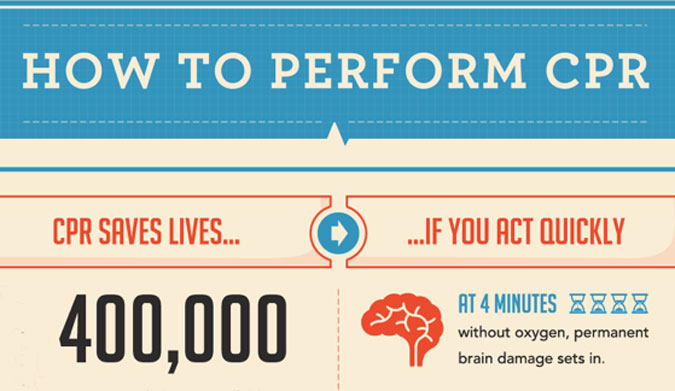
Although you may be hesitant, know that it is vitally important for you to act quickly in these situations. According to research from Carrington.edu, brain damage can occur in just four minutes without oxygen. At around eight minutes, death occurs. As soon as you think someone may be in need of CPR, find out if that person is conscious or unconscious. Ask them if they are okay, and if they are unresponsive, you should call 911. Unless suffocation is a concern, you should begin with CPR.
Hands-Only
This is a technique anyone can do, regardless of his or her training level. This method does not involve mouth-to mouth, only chest compressions. You should begin by putting the person on their back on a firm surface and kneel to the side of their neck and shoulders. One of your hands should be at the center of the person’s chest between their nipples with the other hand on top. Use the weight of your body to press down on the person’s chest approximately 100 times per minute.
Mouth-to-Mouth
For those with CPR certification, after about every thirty compressions, you should open the person’s airway by tilting their head with a palm on their forehead. Then, lift their chin forward to properly open their airway. For no longer than five to ten seconds, check for signs of normal breathing like chest motion, breath sounds or feeling the person’s breath. If they are gasping, they are not breathing normally and you should begin mouth-to-mouth breathing. However, you should only take this step if you have had the proper training.
If you follow these critical steps in the infographic, you could very well save the life of someone surfing with you should they be pulled under or simply suffer from an unknown heart condition or attack. Many victims don’t receive this much-needed CPR when it is needed, which contributes to the low survival rate of only eight percent for these victims. However, when CPR is done correctly, it can double or even triple the chances that a victim will survive.


